Białowieża — the last lowland primeval forest and 700 free-living bison.
The oldest natural forest of lowland Europe, on the UNESCO list. Białowieża National Park protects a fragment of woodland that has never been felled — thousand-year-old oaks, fir thickets and a population of some 700 free-living European bison. Plus traces of the tsars — a palace (destroyed in 1944) and the Palace Park with its museum. The deepest, most eastern reach of old Poland.
What to know before you go
The Białowieża Forest is Europe's last fragment of primeval lowland forest — a woodland stretching across the Polish-Belarusian border. On the Polish side it covers about 600 km², of which Białowieża National Park (about 105 km²) is under strict protection — the oldest and one of the most valuable national parks in Poland. It was added to the UNESCO World Heritage List in 1979 and extended in 1992 as a transboundary site with the Belarusian park.
What sets the Białowieża Forest apart from other Polish woodland? Its centuries-old natural structure. In most Polish forests the trees are of one generation, planted to a plan in the 19th and 20th centuries. Here the trees are of every age, from saplings to 400-year-old oaks. Dead wood is not cleared away (outside the managed buffer), so rotting trunks create habitats for hundreds of species of fungi, insects and birds. The forest looks chaotic — and it is exactly that chaos that makes it a unique ecosystem.
The European bison (Bison bonasus) is the emblem of the forest. After the First World War it was wiped out — the last wild bison of the forest was killed in 1919. Reintroduction began in 1929 with animals from zoos. Today some 700 bison live free on the Polish side (about 2,500 in the whole country), and the Białowieża Forest holds the largest population in Poland. Meeting a bison in the forest is possible, though rare — you are more likely to see them at the European Bison Show Reserve.
The region has a strong tsarist history. In the 19th century the forest was the hunting ground of the Russian tsars, especially Alexander II and Alexander III. In 1894 a monumental tsarist palace was built here — of wood, in a Russian rural style, with more than 100 rooms. The palace was burned in 1944 by retreating German troops; what survives is the Palace Park with its entrance gate, the old gatekeeper's lodge and the remains of the foundations. In the park stand the modern headquarters of the national park and the Nature and Forest Museum.
Getting there: from Warsaw about 3.5 hours by car (some 230 km, the S8 plus the DK19/DK66 and local roads through Białystok and Hajnówka). By train to Hajnówka (about 3 hours from Warsaw with a change), then by bus or minibus (about 30 km). There is no airport nearby — Warsaw-Modlin or Lublin are the closest (about 3.5–4 hours further). Białowieża itself is a small wooden village (about 2,000 people) — this is where you stay and where you set off into the forest.
Places you should not miss
The most important sights of the region, each with its own guide — how to get there, when to go, practical info.

The strict reserve of Białowieża National Park
The best-preserved fragment of primeval forest in Europe. Entry only with a licensed guide, along a path under the wardens' supervision.
Read the guide →
The European Bison Show Reserve
The first bison breeding centre in Poland (1929). Enclosures with bison, elk, Polish primitive horses, lynx and wolves. Ideal for families.
Read the guide →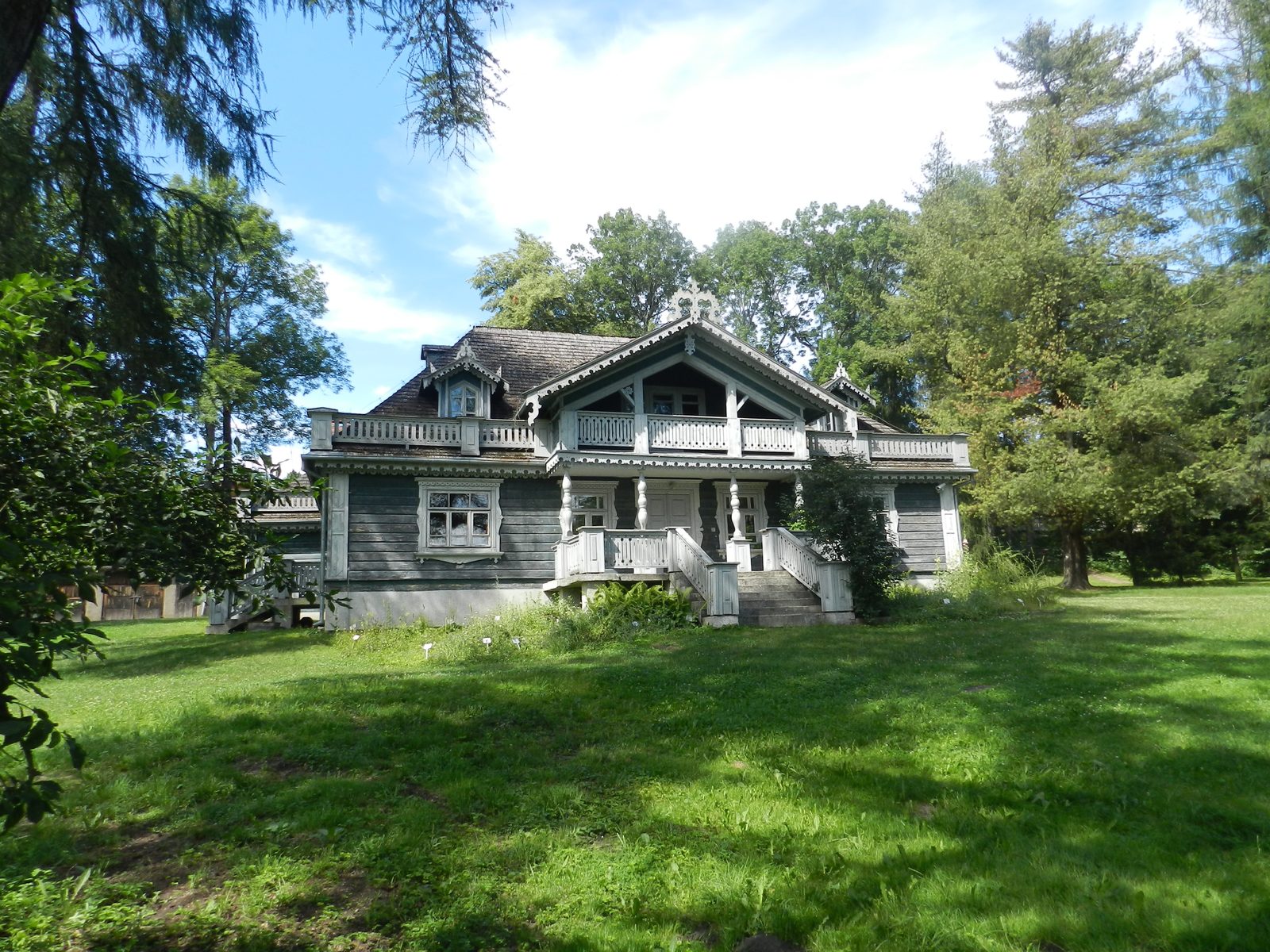
The Palace Park and the museum
A park laid out around the tsarist palace (1894–1944), today the national park headquarters and a modern Nature and Forest Museum. The gate with the tsarist lodge.
Read the guide →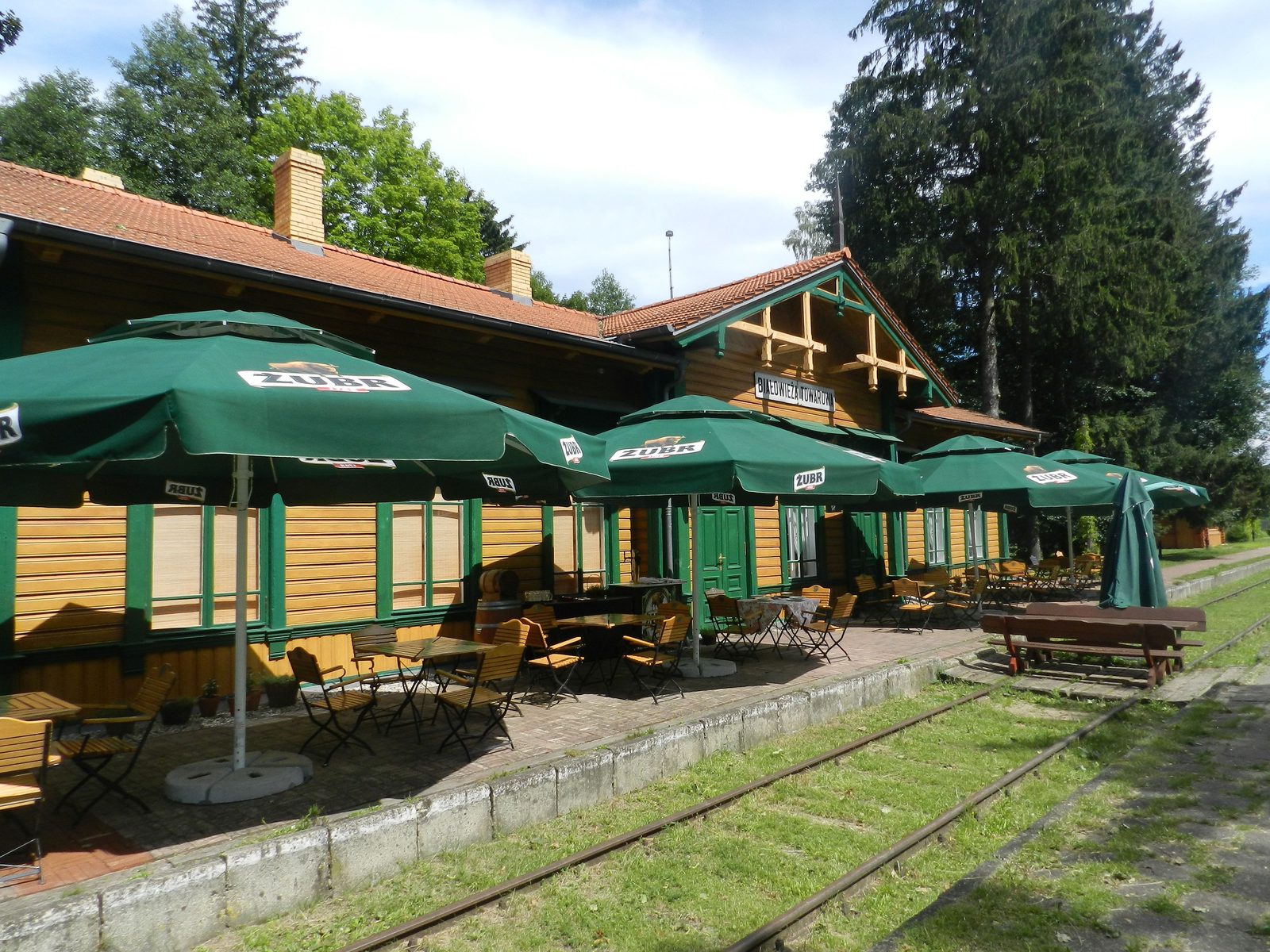
Old Białowieża and its wooden buildings
Wooden village buildings of the 19th and 20th centuries, the historic Orthodox church of St Nicholas and the atmosphere of the old Polish borderlands.
Read the guide →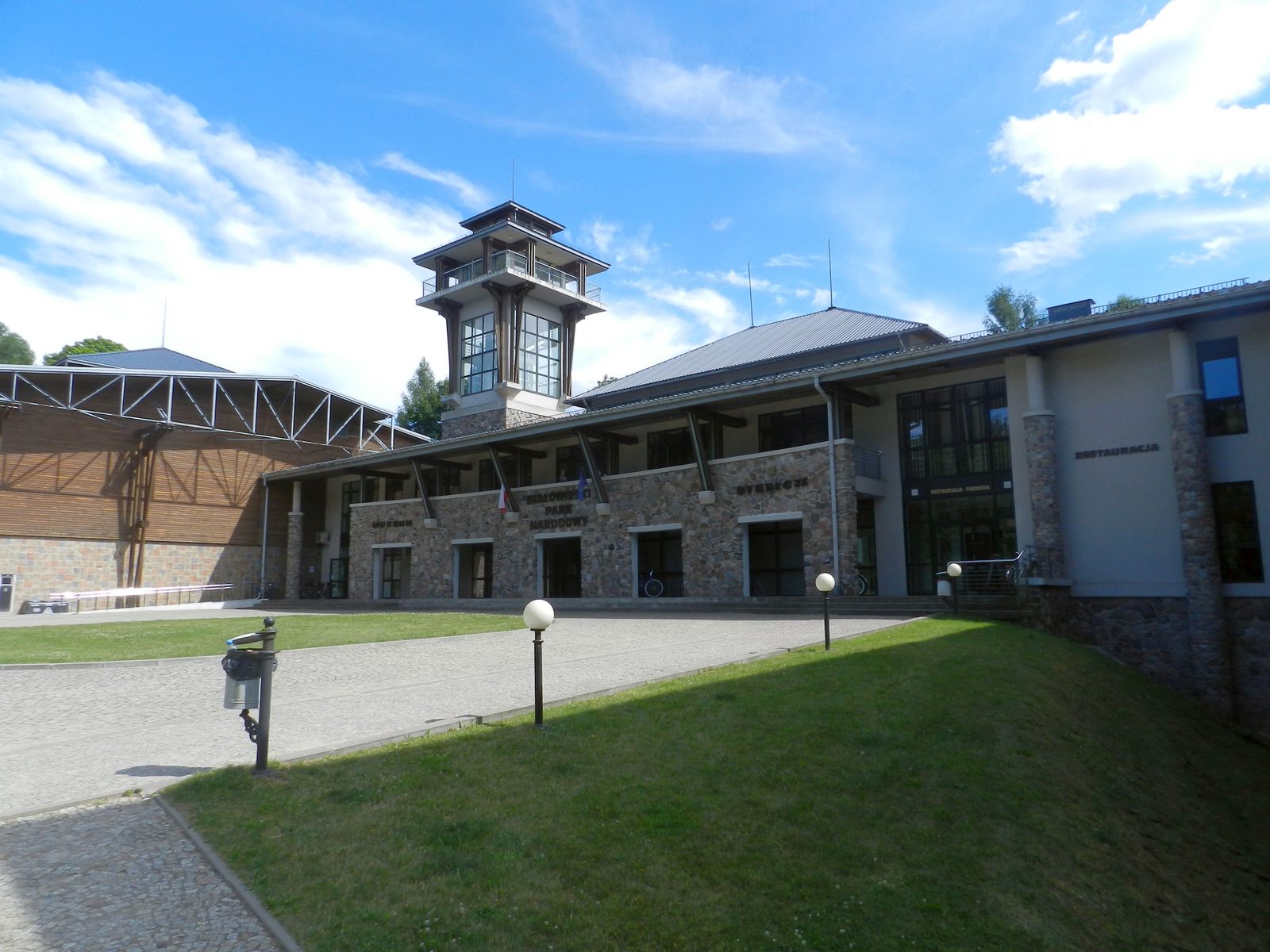
The Nature and Forest Museum of Białowieża National Park
The main museum of Białowieża National Park in the Palace Park — the wildlife of the forest and a viewing tower above the treetops.
Read the guide →
The Trail of the Royal Oaks
A nature trail among monumental oaks named after Polish and Lithuanian rulers — a symbol of the might of the Białowieża Forest.
Read the guide →
The Holy Trinity Cathedral in Hajnówka
A monumental Orthodox cathedral in Hajnówka, known for its International Festival of Orthodox Church Music. Near Białowieża.
Read the guide →
The Hajnówka Forest Narrow-Gauge Railway
A historic narrow-gauge line running deep into the Białowieża Forest — atmospheric seasonal trips. Near Białowieża.
Read the guide →
Białowieża National Park
Poland's oldest national park and its only natural World Heritage site — Europe's last lowland primeval forest and home to free-ranging bison.
Read the guide →Do you run a property in Białowieża?
List your property. A standard listing with photos costs 250 zł a year, Premium — shown on the home page — 600 zł a year or 1200 zł for 3 years. Guests write to you directly, no commission.
List or submit a property →Białowieża in every season
May — an explosion of green, with every bird singing (the ornithological record is about 250 species). The best time for watching wildlife. Few mosquitoes (as yet).
The height of the season — shade in the forest, but plenty of mosquitoes. Watch for animals at dawn and dusk. The strict reserve is open only with a guide (booking essential).
September and October — the deer rut, and gold in the beeches and hornbeams. For photographers and wildlife watchers, the best season.
Tracking animals in the snow (best with a guide). Few visitors and absolute silence. Some trails close after heavy snowfall.
How to get there and what to know
- From Warsaw
- About 3.5 hours by car (230 km, the S8 plus the DK19/DK66)
- By train
- To Hajnówka (about 3 hours from Warsaw, with a change), then 30 km by minibus
- Nearest airport
- Warsaw-Modlin / Warsaw Chopin (about 3.5 hours)
- The strict reserve
- Entry only with a licensed guide
- Show Reserve ticket
- About 10 zł (adults)
- Season
- All year — spring and autumn are the loveliest
How far to the sights
Approximate straight-line distances from the centre of Białowieża — calculated from real coordinates. By road it is often further.
- The Nature and Forest Museum of Białowieża National Park
- ~91 m from the centre Białowieża (as the crow flies)
- The Palace Park and the museum
- ~506 m from the centre Białowieża (as the crow flies)
- Old Białowieża and its wooden buildings
- ~861 m from the centre Białowieża (as the crow flies)
- The Trail of the Royal Oaks
- ~1,9 km from the centre Białowieża (as the crow flies)
- The European Bison Show Reserve
- ~2,4 km from the centre Białowieża (as the crow flies)
- The strict reserve of Białowieża National Park
- ~5,7 km from the centre Białowieża (as the crow flies)
- Białowieża National Park
- ~7,2 km from the centre Białowieża (as the crow flies)
- The Holy Trinity Cathedral in Hajnówka
- ~20 km from the centre Białowieża (as the crow flies)
- The Hajnówka Forest Narrow-Gauge Railway
- ~20 km from the centre Białowieża (as the crow flies)
Where Białowieża is
Frequently asked questions — Białowieża
What is worth seeing in Białowieża?
Where can you find a place to stay in Białowieża?
How much does a place to stay in Białowieża cost?
Do you run a property in Białowieża?
Add it to the guide and reach people looking for exactly this region — direct contact with the guest, a standard listing with photos costs 250 zł a year, Premium 600 zł a year.





